Your Business Isn't Showing Up in AI Search. That's Now a Revenue Problem.
Google referral traffic is down 38%. AI Overview CTR dropped 61%. Your buyers are asking AI tools who to use and your business isn't in the answer. Here's what GEO is and what to do this quarter.
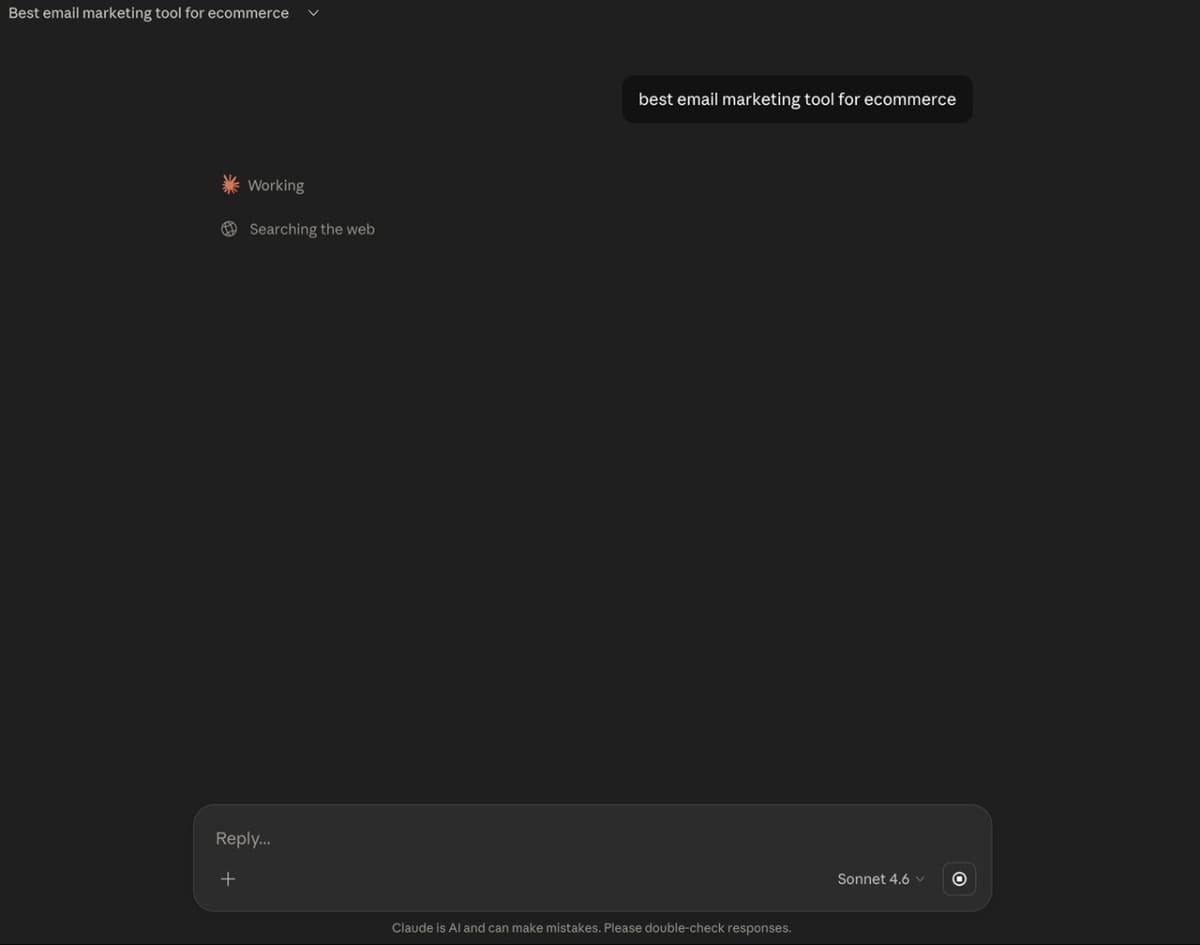
A buyer needs what you sell. They know roughly what they're looking for. They open ChatGPT and type a question. Or they Google it and get an AI Overview before a single blue link. Or they ask Perplexity, which spits out a tidy answer with three sources cited.
Your business is not one of them.
The buyer picks from what appeared. They book a call with someone else. They never visited your website. You never knew they were looking.
That's the problem. And it's already happening to you.
The data makes it harder to ignore. According to Chartbeat data reported by Press Gazette, U.S. organic Google referral traffic to major publishers fell 38% in the year to November 2025. Publishers are the early warning system. The same user behaviour is now bleeding into commercial search. For searches where an AI Overview appears at the top of the results, organic click-through rate dropped 61%. Not slightly. Not gradually. Sixty-one percent.
Sixty to sixty-five percent of all Google searches now end without a single click to any website. The answer lives inside the results page. Your content sits below it, unread.
This is not a traffic rounding error. It's a structural shift in how buyers find answers and, by extension, how they find you.
Here's the other side of that equation. Multiple studies now suggest that AI-referred visitors convert at materially higher rates than traditional organic visitors. One cited benchmark puts AI referral conversion at 14.2% compared with 2.8% for standard organic traffic. The pattern is what matters: AI search traffic is usually smaller, but higher-intent.
The channel is real. The buyers are real. The question is whether you're in it.
What GEO Actually Is
GEO stands for Generative Engine Optimization. The name matters less than what it means in practice.
SEO gets your website ranked so people click on it. GEO gets your business quoted, cited, and recommended inside AI-generated answers. The person asking ChatGPT a question never sees a list of blue links. They see a response. GEO is about being inside that response.
The platforms that matter right now: Google AI Overviews reaches two billion users every month. ChatGPT drives 78% of all referral traffic that originates from AI sources. Gemini just overtook Perplexity in referral share in March 2026 and is climbing fast. Claude's referral share has grown ten times over the past twelve months. These are not experimental products. They are where a significant and growing portion of your buyers are spending time when they have a problem to solve.
GEO is how you show up there. It's different from SEO. Not instead of it. Different.
Why Your Current SEO Isn't Enough
If you're ranking well on Google, that's useful. It's not enough on its own.
AI systems don't crawl the web the way Google does. They weight freshness differently. Half of all content cited in AI answers was published within the last thirteen weeks. Your 2023 pillar post that still ranks on page one might be invisible to Perplexity. Not because it's bad. Because it's old.
They weight structure differently too. AI citation algorithms scan for explicit expertise signals, clear question-and-answer formatting, and structured data markup. A page that buries its answer in paragraph four gets skipped. A page with FAQ schema and a direct answer in the opening gets cited.
ChatGPT's web answers have historically relied heavily on Bing-connected web retrieval, not Google's index, so your Google rankings don't automatically transfer. A domain that sits at position fifteen on Google but position five on Bing might get cited in ChatGPT answers more often than your page one result.
Perplexity skews heavily toward Reddit and recent content. If your brand has no presence in community discussions, you're competing with a disadvantage.
These are fixable gaps. But you have to know they exist first.
Here's what that gap looks like in practice.
Say you run a project management tool built for creative agencies. You've invested in SEO. You rank second on Google for "project management software for agencies." That's real work that took real time.
A creative director opens ChatGPT and types: "What's the best project management tool for a 12-person creative agency?" ChatGPT pulls from Bing-connected web retrieval, weights content published in the last ninety days, and looks for pages structured around that specific question. It surfaces three tools. Your product isn't one of them. Not because it's worse. Because your best-ranking page was last updated fourteen months ago, doesn't answer that specific question in the opening paragraph, and has no FAQ schema signalling what it's about.
The creative director picks from what appeared. You ranked second on Google. You weren't in the room.
Three Things That Actually Move the Needle
This isn't a full GEO playbook. It's the starting point that produces real results without a six-month project.
Answer the question in the first 200 words.
AI retrieval systems evaluate relevance by scanning the opening content of a page. If your article spends three paragraphs on context before getting to the answer, you lose. Restructure your top pages so the primary question is answered completely in the first 200 words. Then go deep. This is a content decision, not a technical one, and you can make it this week.
Add FAQ schema to your top ten pages.
Citation algorithms check for structured data to verify expertise. FAQ schema tells the algorithm exactly what questions your page answers and exactly what your answers are. It's a half-day project for a developer. If they ask why it's worth doing, show them the 61% CTR drop and ask whether that seems like something worth addressing.
Publish fresh content consistently.
Half of AI-cited content is less than thirteen weeks old. One post every two months won't keep you in contention. You don't need volume. You need a steady, specific cadence. A monthly update covering what's changed in your category counts. A detailed answer to a question your buyers are asking right now counts. Freshness is a signal. Treat it like one.
What to Do This Quarter
Start with your top five pages. The ones that historically drive the most traffic or inquiries.
For each one: does it answer the primary question in the first 200 words? Does it have FAQ schema? Was it published or meaningfully updated in the last ninety days?
If the answer is no across the board, that's your entire Q2 project. Fix those five pages. Don't build new content on top of a broken foundation.
The businesses getting cited in AI answers right now are not bigger than you. They're not smarter than you. They just started earlier. That gap is still closable. It won't be for long.
Want to Read More
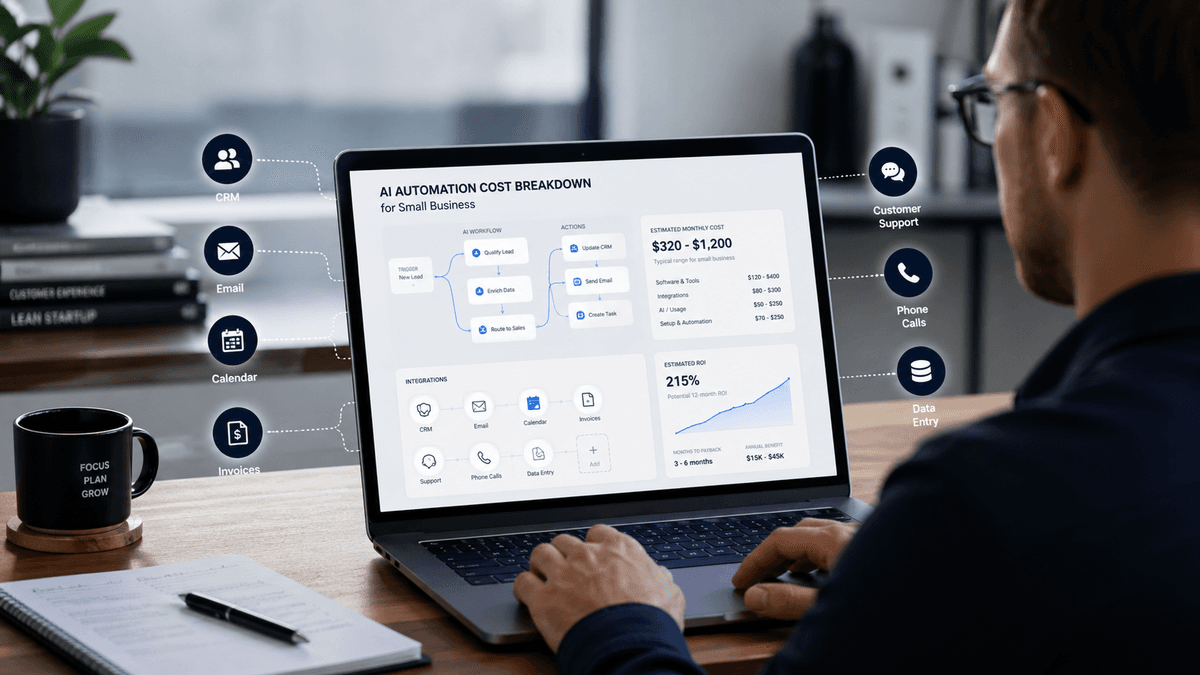
What Drives the Cost of AI Automation for a Small Business?
AI automation pricing can look random until you understand what actually drives the quote. This guide breaks down the main cost factors, typical AUD price ranges, hidden costs, and when a small business should use a tool versus hiring a provider.